Future
for hunting
Together we can protect hounds, hunts and the rural way of life.


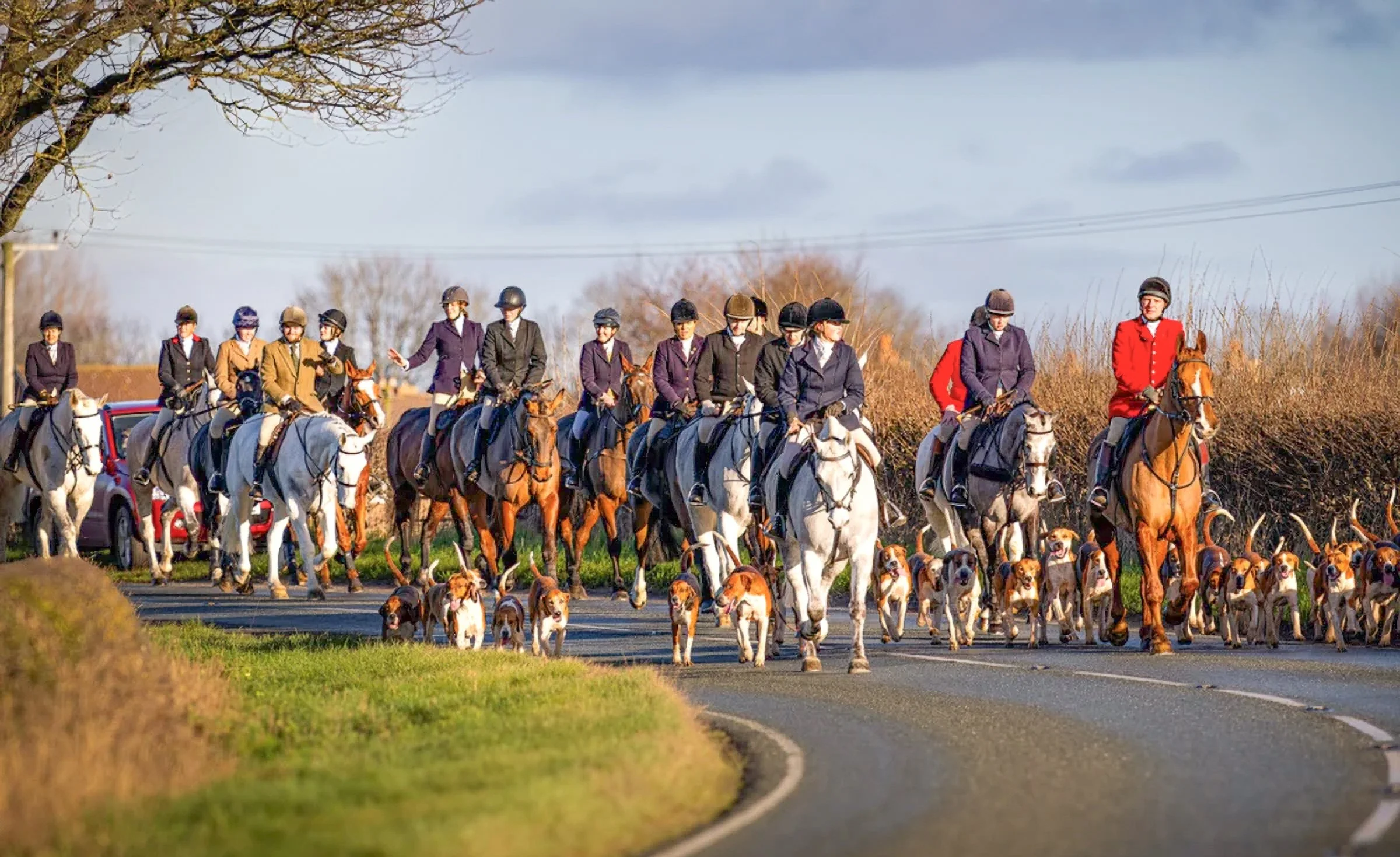
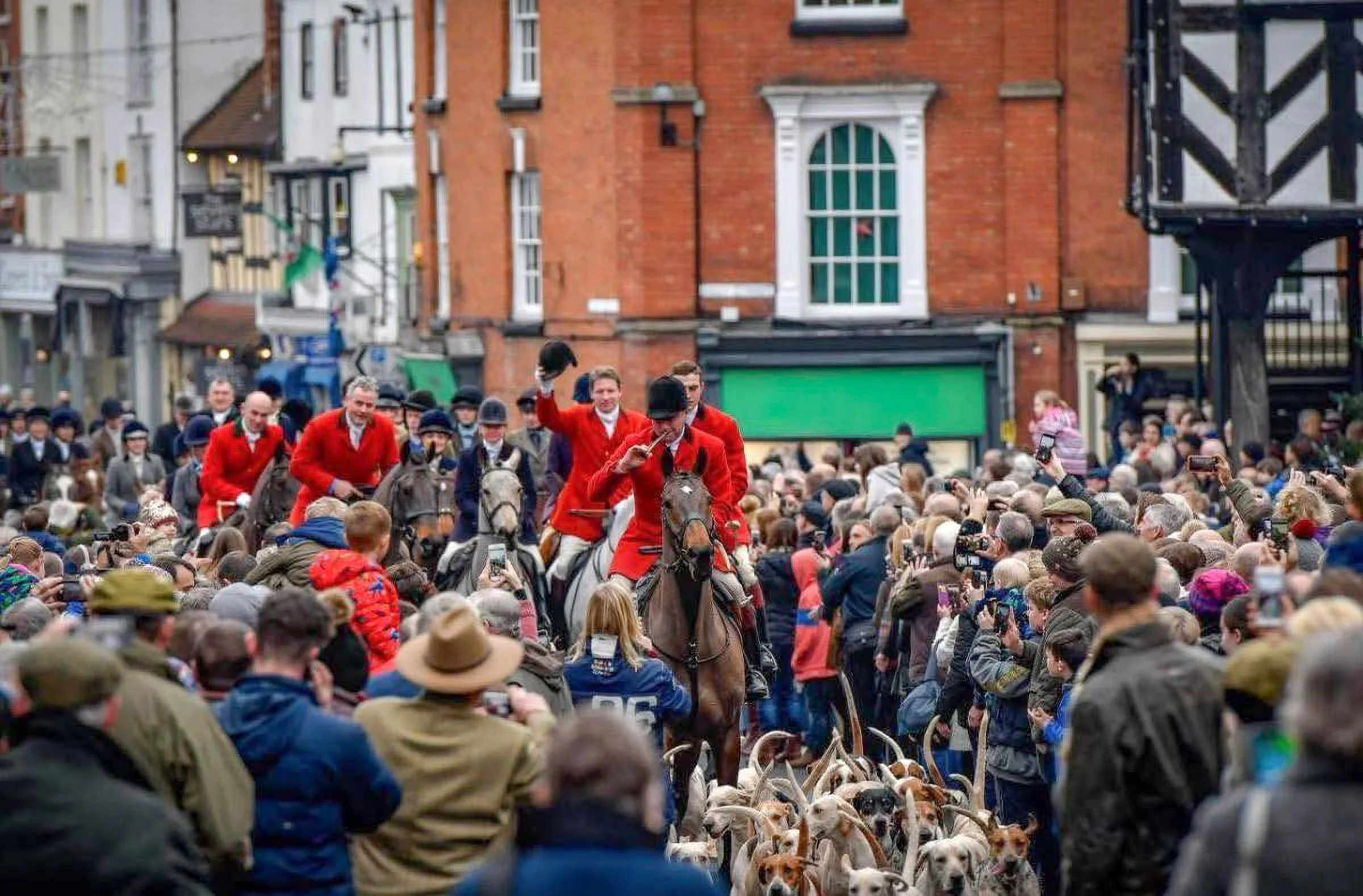
Thousands gather to defend rural life against government trail hunting ban.
Trail hunting is a lawful countryside sport that sustains rural livelihoods, brings communities together, and ensures the welfare of thousands of hounds and horses.
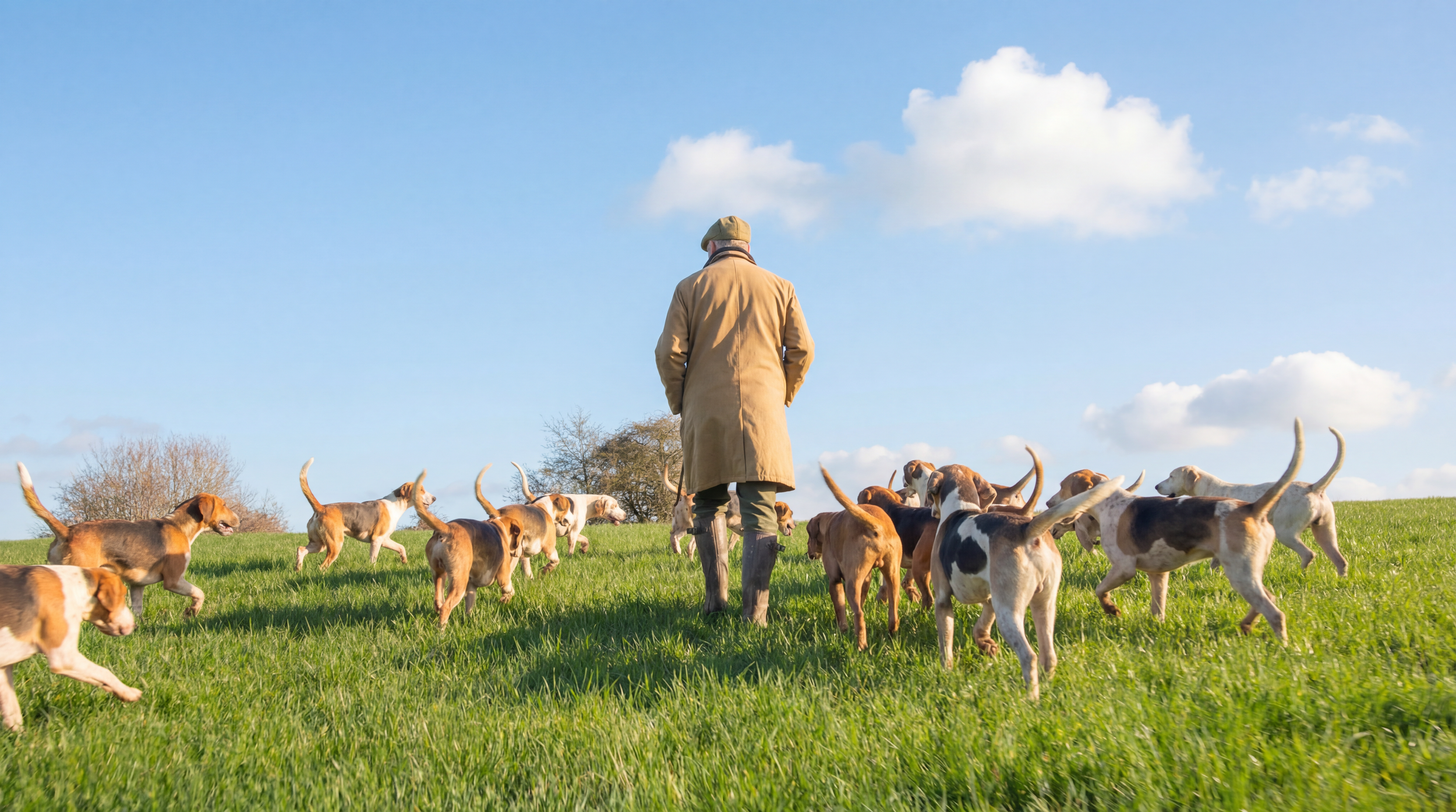
Now, the Government wants to ban it, threatening jobs, local economies, and the future of over 10,000 hounds. We need your help to stop them.
We need you to take action
The government is due to launch a consultation into how to implement a ban on trail hunting “very soon”. Help the campaign by joining our mailing list and learning how you can get involved.
Why stop the ban?
Trail hunting is a social glue that binds rural communities together contributing £100 million to the rural economy each year.
The practice sustains 500 direct jobs and countless more in businesses that depend on them, including farriers, feed merchants, saddlers, pubs, and veterinary practices.
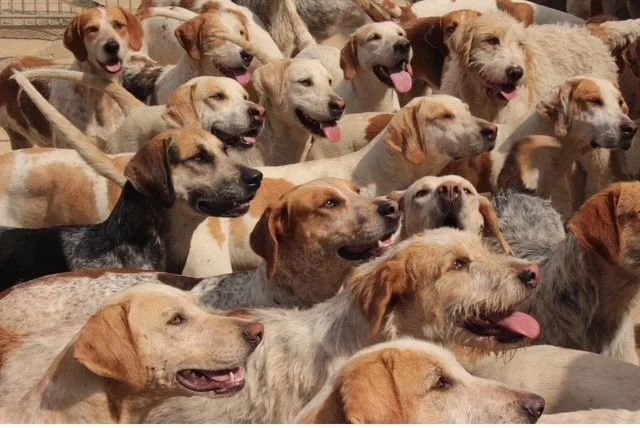
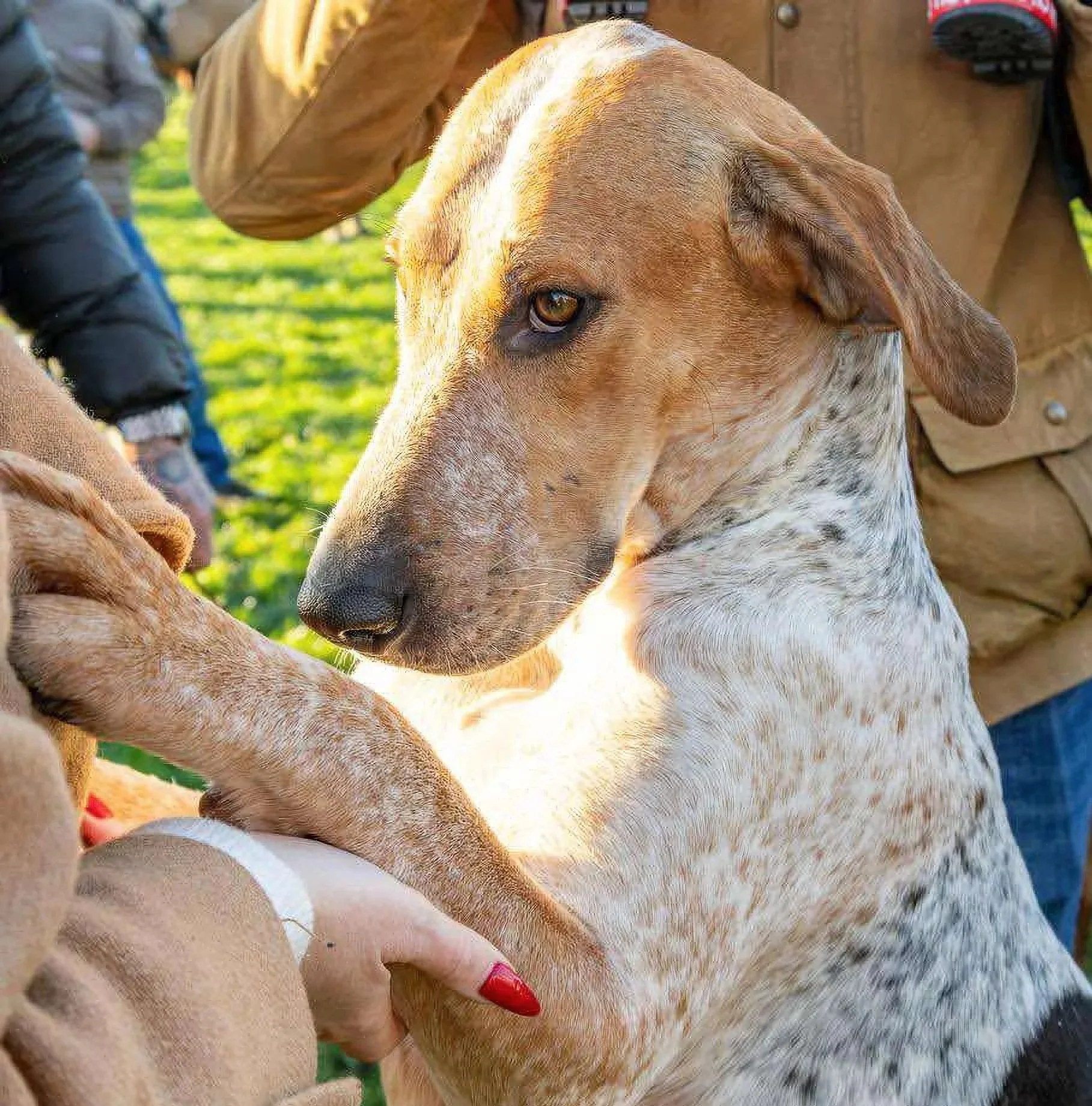
A ban would also leave over 10,000 hounds and thousands of horses facing an uncertain future.
The governments plan to ban trail hunting is driven by political motivation, but there are thousands of living animals and real people across the country whose lives will be severely impacted.
Find out how you can protect hounds and local communities:
Frequently Asked Questions
-
Trail hunting is a lawful rural recreation where hounds follow a laid scent trail across the countryside. A runner or rider lays the scent in advance, and hounds follow it while accompanied by riders and foot followers. No wild animals are pursued.
-
Trail hunting operates under the governance of the British Hound Sports Association (BHSA), which acts as the official governing body promoting and protecting the future of hounds and hunts. The BHSA establishes and enforces clear codes of conduct for all member hunts, sets welfare standards for both hounds and horses, and provides training and guidance for hunt staff. Hunts are expected to demonstrate full compliance with these regulations, with accountability mechanisms in place to ensure standards are maintained. The Association works continuously to improve practices and transparency across the hunting community, ensuring that trail hunting is conducted responsibly and to the highest standards.
-
Trail hunting contributes over £100 million to the rural economy each year, supporting hundreds of jobs and sustaining local businesses including farriers, feed merchants, vets, saddlers, and country pubs. Beyond economics, it brings communities together in areas where isolation is a real challenge, providing a focus for social activity and keeping village life going through the winter months. A ban wouldn't just end a tradition, it would remove a lifeline from communities already under pressure.
-
Not for much longer. Trail hunting is currently entirely legal. It is regulated by the British Hound Sports Association, which sets codes of conduct and welfare standards for member hunts.
-
The British Hound Sports Association (BHSA) acts as the governing body for trail hunting. It establishes and enforces codes of conduct, sets welfare standards for hounds and horses, provides training and guidance for hunt staff, and maintains accountability mechanisms across member hunts.
-
Trail hunting follows a pre-laid artificial scent. No live quarry is involved.
Traditional fox hunting, which pursued live foxes, was banned in England and Wales by the Hunting Act 2004.
Trail hunting developed as a lawful alternative that preserves the skills, traditions, and community aspects of hunting without pursuing wild animals.
-
The Government included a pledge to "ban trail hunting" in its 2024 manifesto.
We believe this pledge is politically motivated rather than based on evidence of harm, and that any ban would be disproportionate and unjustified.
-
This is one of the most serious concerns about a ban. There are thousands of working hounds across Britain, purpose-bred for pack life and outdoor work. A ban raises profound welfare questions about their future.
-
Sign up to the mailing list, donate
-
Hunts provide apprenticeships in kennels, stables, and estate work, offering hands-on training. For many rural young people, a position with a hunt is their first job, teaching practical skills, responsibility, and opening pathways to careers in the wider equestrian and agricultural sectors. A ban would remove these opportunities.